Gum Disease Treatment Success Stories and Real Outcomes


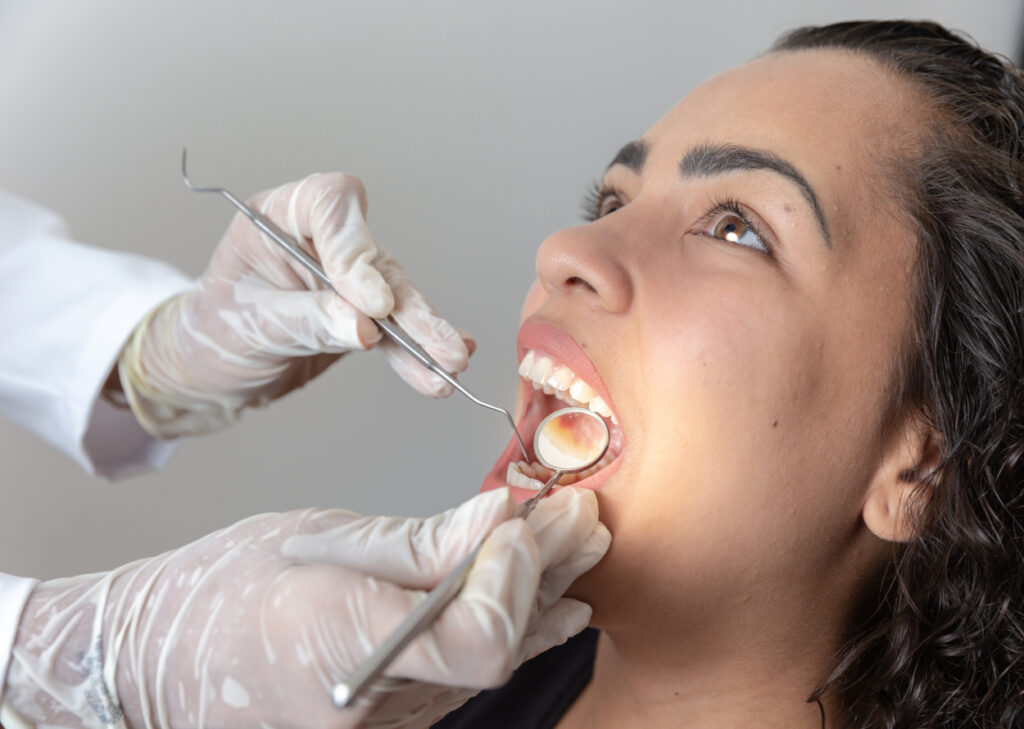
Gum disease rarely announces itself with drama at the start. Most people notice a little bleeding when they floss, a bad taste in the mouth that comes and goes, or gums that seem slightly puffy around a few back teeth. It is easy to dismiss, especially when there is no sharp pain. That is one reason the stories around Gum Disease Treatment are often more powerful than the diagnosis itself. They show what happens when a quiet problem is either ignored for too long or addressed in time.
The encouraging truth is that treatment works more often than people think, provided the plan matches the severity of the disease and the patient can follow through consistently. Success does not always mean returning the mouth to a perfect, untouched state. In many cases, it means stopping active infection, reducing pocket depths, saving teeth that once seemed questionable, and restoring comfort and confidence. For some patients, success is simply hearing that the bone loss has stabilized and no further damage is occurring. That is a meaningful outcome.
What success actually looks like
Many people picture a successful dental result as a before and after transformation that happens in one appointment. Gum disease does not behave that way. The best outcomes are usually gradual and measurable. Bleeding decreases first. Swelling starts to calm down. Breath improves. The gums feel firmer and less tender. Then, over the next several weeks and months, deeper healing begins.
A periodontist or general dentist usually tracks progress through probing depths, bleeding points, plaque levels, gum appearance, tooth mobility, and radiographs when needed. A patient may not notice every technical improvement, but they often notice the practical ones. They can chew on one side again without irritation. They no longer see pink in the sink every morning. Food stops packing between teeth as much because inflamed tissue begins to tighten and shrink.
One important nuance deserves attention. Recession can become more visible after treatment because swollen gums are no longer enlarged. Patients sometimes think that means the condition is worse, when in fact the inflammation has reduced and the tissues are healthier. A tooth may look a little longer, but the environment around it is more stable. Experienced clinicians usually prepare patients for that change because it can be surprising.
A mild case caught early
A common success story starts with a patient in their thirties or forties who has not had a cleaning in several years. They come in because they noticed bleeding during brushing, or because a partner mentioned persistent bad breath. On exam, the picture is often early to moderate gingivitis with a few deeper periodontal pockets beginning to form, usually in harder-to-clean areas.
After a thorough cleaning, home care coaching, and sometimes scaling in specific regions, the turnaround can be quick. Within two to four weeks, many of these patients report much less bleeding. Their gums shift from bright red and puffy to a healthier coral pink, depending on natural pigmentation. If they stick to a better routine and return for maintenance, they often avoid progression into more destructive periodontitis.
This type of outcome may sound modest, but it matters. Catching disease at this stage can prevent future bone loss, gum recession, and costly surgical treatment. Patients who succeed here often say the same thing afterward: they wish they had known that bleeding gums were not normal. That single piece of education changes behavior.
The deeper clean that saves a smile
A more dramatic story involves moderate periodontitis. This is the patient who has several pockets in the 5 to 7 millimeter range, bleeding on probing, visible tartar below the gumline, and early bone loss on X rays. They may still have very little pain. That disconnect between severity and symptoms is what makes periodontal disease so deceptive.
For these patients, non-surgical periodontal therapy, often called scaling and root planing, can produce excellent outcomes when done well and supported by proper maintenance. I have seen cases where people arrived convinced they were headed for multiple extractions, only to learn that the first and most important step was a meticulous deep cleaning paired with improved plaque control at home.
The first week after treatment is not always glamorous. The gums can feel tender. Teeth may feel slightly more sensitive to cold. Spaces between teeth can seem larger as the swollen tissue recedes. But when the healing phase is respected, the numbers often improve. Pockets that were 6 millimeters may reduce to 3 or 4. Bleeding can drop sharply. Tissue tone becomes firmer. The patient who once avoided floss because it hurt can suddenly floss without fear.
One memorable pattern appears again and again in these cases. The patient comes back for a re-evaluation expecting a lecture, and instead hears that the tissues have responded well enough to avoid surgery in several areas. That relief is real. It is one of the most satisfying moments in periodontal care because it shows what controlled infection and patient effort can achieve together.
When advanced disease still has a good ending
The toughest cases are often the most meaningful. Advanced periodontitis can involve significant bone loss, loose teeth, drifting front teeth, pus from periodontal pockets, difficulty biting into food, and a sense that the smile is collapsing. These patients are often embarrassed. Many delayed care because they feared judgment, expense, or bad news.
Treatment in advanced https://rentry.co/6fhz5ehf cases is rarely simple. It may involve deep cleaning, localized antibiotics in selected pockets, splinting loose teeth, periodontal surgery, extractions where teeth are no longer restorable, and eventually implant or prosthetic planning. Yet even here, success is far from rare.
Consider a familiar clinical pattern. A patient in their fifties arrives with lower front teeth that feel mobile and upper molars with deep pockets that trap food daily. Several sites probe at 7 to 9 millimeters. The x rays show years of accumulated damage. At first glance, the patient fears a full denture. The actual outcome, after a staged plan, can be much better. A few hopeless teeth may be removed, but the majority are preserved. Surgical pocket reduction around key molars creates a cleaner, maintainable architecture. Bone grafting helps support future restorations in selected areas. Six months later, the patient is eating comfortably, cleaning effectively, and smiling without trying to hide the mouth.
That is not a miracle story. It is disciplined, realistic dentistry. Some teeth are lost, but the disease is brought under control and the rest of the dentition is protected. For many people, that is a life-changing success.
The role of surgery, and why it is not failure
Patients often react badly to the word surgery. They hear it as proof that the first treatment failed. In periodontal care, surgery can be the right next step even when the initial phase worked exactly as intended. Deep cleaning reduces inflammation and bacterial load. Re-evaluation then reveals which pockets remain too deep to maintain predictably. Surgery can give direct access, reshape defects, reduce pocket depth, and in some cases regenerate lost supporting structures.
Flap surgery, osseous recontouring, guided tissue regeneration, and soft tissue grafting all have a place. The outcomes vary depending on anatomy, smoking status, diabetes control, oral hygiene, and the pattern of bone loss. Still, well-selected surgical cases can deliver excellent functional and cosmetic gains.
One especially rewarding category involves gum grafting for recession after inflammation has been controlled. Patients often seek treatment because their teeth look long or feel sensitive near the roots. When grafting is appropriate, the improvement can be both protective and cosmetic. Root sensitivity often settles. The gumline looks fuller and healthier. Patients become more confident brushing thoroughly because it no longer causes sharp discomfort.
Real outcomes patients notice first
Clinical charts matter, but patients live with sensations and habits rather than millimeter readings. The earliest wins tend to be practical.
- Bleeding during brushing and flossing becomes less frequent or stops entirely.
- Morning breath improves, often within a few weeks.
- Gums feel less sore, swollen, and itchy.
- Teeth feel more stable when chewing.
- Dental cleanings become easier and less uncomfortable over time.
These changes may sound simple, but they are the signs that the bacterial burden is dropping and the tissues are no longer in a constant state of irritation.
Why some people improve quickly while others plateau
Not every mouth responds at the same pace, and there are good reasons for that. Smoking remains one of the biggest obstacles. Smokers may have less visible bleeding, which can mask severity, but their healing potential is often reduced. Diabetes, especially when poorly controlled, can also slow improvement and raise the risk of recurrence. Dry mouth, certain medications, grinding, and crowded teeth can complicate maintenance.
Technique at home matters at least as much as enthusiasm. A patient may say they brush twice daily and floss every night, but if the brush never reaches the gumline or the floss snaps through the contact without wrapping around the tooth, plaque can persist in the exact places that matter most. The most successful cases usually involve a practical adjustment rather than more effort. An electric brush with a small head, interdental brushes sized correctly, and a habit of cleaning at the same time each evening can outperform a vague promise to "do better."
There is also the issue of anatomy. Deep grooves on roots, furcation involvement in molars, and old restorative margins can create areas that stay high-risk even in diligent patients. When treatment succeeds in those settings, it often means converting a hard-to-manage mouth into one that is manageable with consistent maintenance, not erasing every challenge.
Cases that do not go as hoped, and what that teaches
A balanced discussion of Gum Disease Treatment needs room for disappointment as well. Some patients do everything right and still lose a tooth. Some improve everywhere except one stubborn molar with a deep vertical defect. Some miss maintenance visits for a year, return with recurrent inflammation, and feel as though they are back at the beginning.
These are not always failures of treatment. Periodontal disease is chronic and influenced by biology, habits, and time. A tooth with severe mobility and little remaining bone support may survive only temporarily even after excellent care. In that case, treatment may still be successful if it buys time, reduces infection, and allows a more planned and less traumatic transition to replacement options.
There is also a common emotional hurdle after the first phase of care. Patients expect immediate normality. Instead, they discover that maintenance becomes part of life. Cleanings may be recommended every three or four months instead of every six. Flossing can no longer be optional. For some, that feels burdensome at first. Later, many see it differently. They realize the maintenance routine is what lets them keep their teeth.
The timeline people can realistically expect
One of the most helpful things a clinician can do is explain the rhythm of improvement. People tolerate treatment better when they know what comes next.
In the first several days after deep cleaning, there may be tenderness, mild recession becoming more visible, and some temperature sensitivity. Over the first two to six weeks, visible inflammation usually declines significantly if home care is consistent. By the re-evaluation visit, often around four to eight weeks depending on the case, the dentist can make a better judgment about which sites are stable and which still need more attention.
Longer-term stability is usually assessed over several maintenance visits. It often takes three to twelve months to see the full practical outcome of a treatment plan, especially when surgery, restorative work, or tooth replacement is part of the sequence. Bone changes on radiographs can lag behind what the gums show clinically. That delay is normal.
Patients sometimes want a promise that once treated, gum disease is gone forever. That is not the right frame. The better question is whether it can be controlled for the long term. In many patients, the answer is yes.
What the best success stories have in common
Across mild, moderate, and advanced cases, the most durable results tend to share a few traits.
- The diagnosis is clear, with honest discussion about severity and prognosis.
- The initial therapy is thorough rather than rushed.
- The patient learns a home-care method that fits real life.
- Re-evaluation happens on schedule, not whenever it is convenient months later.
- Maintenance becomes routine, even when everything feels fine.
These factors are not glamorous, but they predict outcomes far better than marketing claims or one-size-fits-all promises.
Saving teeth versus replacing them
This question comes up often in advanced cases. Should a compromised tooth be treated aggressively, or is extraction and implant placement the better choice? There is no universal answer. Some teeth with reduced bone support can function well for years if inflammation is controlled and the bite is managed properly. Others are structurally unsound, difficult to clean, or surrounded by defects that make long-term stability unlikely.
The most thoughtful treatment plans balance biology, cost, time, patient preference, and maintainability. A heroic effort to save every tooth is not always wise. Neither is a reflexive move to extract teeth that could have remained serviceable. The best outcomes usually come from selective decision-making. Save what is predictable, remove what is not, and design the mouth so the patient can actually keep it healthy.
Patients often assume implants are simpler than periodontal treatment because implants do not decay. But implants can suffer from peri-implant disease, especially in patients with a history of periodontitis. That history matters. Someone who struggled with plaque control around natural teeth will need equal or greater discipline around implants. This is another reason preserving healthy, maintainable natural teeth is often worth the effort.
Measuring progress without false promises
Good periodontal care is grounded in evidence and realism. If a clinician guarantees perfect regeneration of lost bone in a severely damaged mouth, skepticism is warranted. Some defects respond well to regenerative techniques, but many outcomes are more modest. Stability, reduced pocket depth, easier cleaning, and fewer bleeding sites are still excellent results.
Patients should feel free to ask direct questions. Are the pockets getting shallower? Is there less bleeding? Are any teeth still at high risk? How often should maintenance be scheduled? These questions lead to better expectations than vague reassurance.
The most reliable success stories are not dramatic testimonials. They are quiet, steady reports over time. A patient who had recurring abscesses and none for two years after treatment. A former smoker whose periodontal chart stays stable after quitting. A person who thought they would lose multiple molars, then keeps them functioning through regular maintenance into the next decade. Those are real outcomes, and they matter.
The emotional side of recovery
Gum disease carries a surprising amount of shame. People blame themselves for missed cleanings, fear that bad breath has affected relationships, or worry that loose teeth make them seem older than they are. When treatment starts working, the emotional relief is often as important as the physical result.
Patients become willing to laugh without covering their mouths. They stop dreading cleanings. They feel less helpless because there is a plan and the numbers are moving in the right direction. That change is part of the success story too. Dentistry can become very technical, very quickly, but the human side should not be overlooked. People are not just trying to improve pocket depths. They are trying to feel normal again.
What to remember if you are at the beginning
If you have recently been told you need periodontal treatment, the phrase can sound heavier than it is. The severity may range from early inflammation to advanced disease, and the right response depends on where you fall on that spectrum. The key point is that delay usually helps the disease, not the patient.
Some of the strongest outcomes come from people who started anxious, embarrassed, and convinced the news would be catastrophic. Once the infection was addressed and the routine became manageable, their prognosis improved far beyond what they expected. Not every tooth can always be saved. Not every gumline can be restored to how it looked at age twenty. But active disease can often be stopped, comfort can return, and a mouth that felt unstable can become dependable again.
That is what a real success story in Gum Disease Treatment looks like. It is not perfection. It is control, preservation, and a future that feels much less uncertain.
Avra Dental
Address: 1708 S Victoria Ave B, Ventura, CA 93003
Phone number: +18057653206
FAQ About Gum Disease Treatment
Can I make my gums healthy again?
Yes, you can make early-stage gum disease completely healthy again, but advanced damage requires professional care to manage.
Can you cure gum disease?
You can cure early-stage gum disease, but advanced gum disease cannot be fully cured.
Can I live a normal life with gum disease?
Yes, you can live a normal life with gum disease, but it requires active, lifelong management to control the condition and prevent serious complications